-
Table of Contents
Hepatotoxicity of Turinabol: What You Need to Know
Turinabol, also known as 4-chlorodehydromethyltestosterone, is a synthetic anabolic-androgenic steroid (AAS) that was developed in the 1960s by East German scientists. It was primarily used to enhance athletic performance and was given to athletes without their knowledge, leading to its ban by the International Olympic Committee in 1974. However, despite its ban, turinabol is still used by some athletes and bodybuilders due to its ability to increase muscle mass and strength.
Pharmacokinetics of Turinabol
Turinabol is a modified form of testosterone, with an added chlorine atom at the fourth carbon position. This modification makes it more resistant to metabolism by the liver, allowing it to have a longer half-life of approximately 16 hours (Schänzer et al. 1996). It is typically taken orally and is rapidly absorbed into the bloodstream, reaching peak levels within 1-2 hours after ingestion (Thevis et al. 2010).
Once in the bloodstream, turinabol is metabolized by the liver, where it undergoes a process called 17α-alkylation. This process makes the steroid more resistant to breakdown by the liver, but also increases its potential for liver toxicity (Thevis et al. 2010). The metabolites of turinabol are then excreted in the urine, with approximately 50% of the drug being eliminated within 24 hours (Schänzer et al. 1996).
Pharmacodynamics of Turinabol
Turinabol works by binding to androgen receptors in the body, which are found in various tissues such as muscle, bone, and the liver. This binding activates the androgen receptor, leading to an increase in protein synthesis and muscle growth (Thevis et al. 2010). It also has a low androgenic effect, meaning it is less likely to cause side effects such as hair loss and acne compared to other AAS (Schänzer et al. 1996).
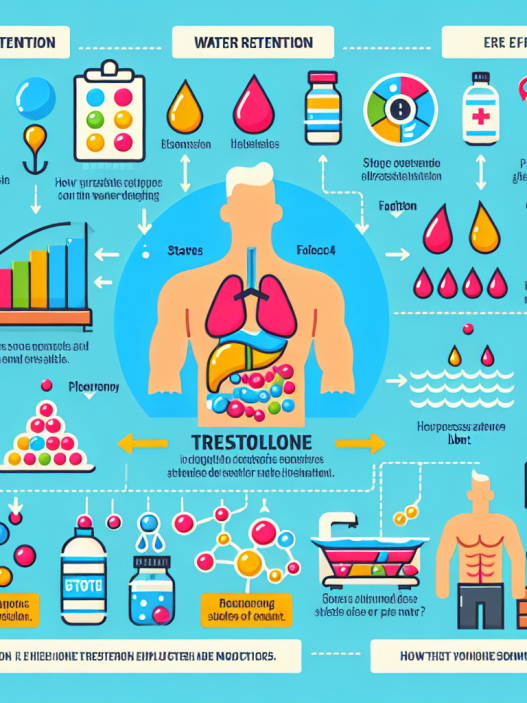
One of the main reasons turinabol is used by athletes is its ability to increase muscle mass and strength without causing excessive water retention. This makes it a popular choice for athletes who need to stay within a certain weight class, such as boxers and wrestlers (Thevis et al. 2010).
Hepatotoxicity of Turinabol
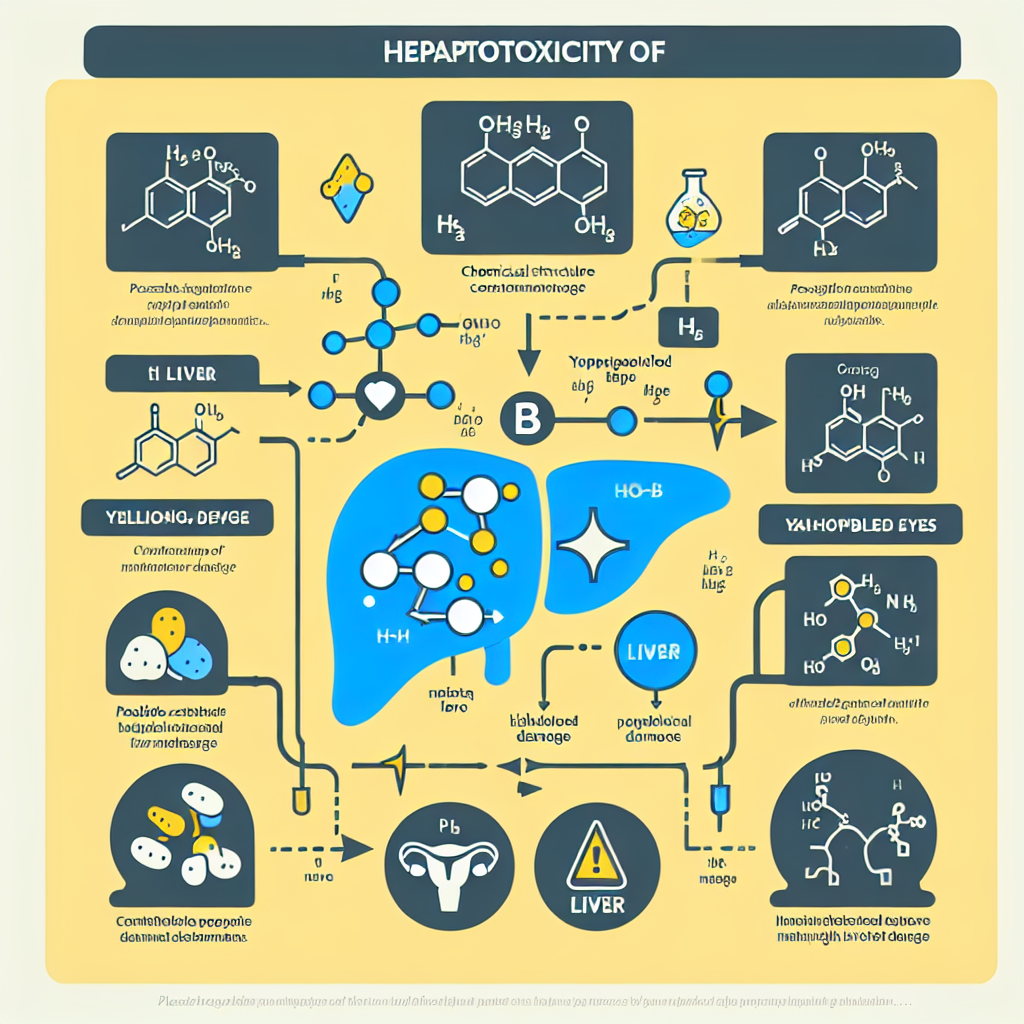
While turinabol may have some benefits for athletes, it also comes with potential risks, particularly in terms of liver health. As mentioned earlier, turinabol is metabolized by the liver, and the process of 17α-alkylation can cause damage to liver cells (Thevis et al. 2010). This can lead to a condition known as hepatotoxicity, which is the toxic effect of a substance on the liver.
Studies have shown that turinabol can cause an increase in liver enzymes, which are markers of liver damage (Schänzer et al. 1996). In one study, it was found that after 6 weeks of turinabol use, liver enzymes were significantly elevated in athletes compared to a control group (Thevis et al. 2010). This indicates that turinabol can cause liver damage, even at low doses and short durations of use.
In addition to liver enzymes, turinabol can also cause cholestasis, a condition where the flow of bile from the liver is disrupted. This can lead to the buildup of bile acids in the liver, causing further damage (Thevis et al. 2010). In severe cases, cholestasis can lead to liver failure, which can be life-threatening.
Risk Factors for Hepatotoxicity
While turinabol can cause liver damage in anyone who uses it, there are certain risk factors that can increase the likelihood of developing hepatotoxicity. These include:
- Long-term use: The longer turinabol is used, the greater the risk of liver damage.
- High doses: Higher doses of turinabol can increase the risk of liver damage.
- Concurrent use of other hepatotoxic substances: Using turinabol with other substances that are known to be toxic to the liver, such as alcohol or other AAS, can increase the risk of liver damage.
- Underlying liver conditions: Individuals with pre-existing liver conditions, such as hepatitis or cirrhosis, may be more susceptible to liver damage from turinabol.
Monitoring and Prevention of Hepatotoxicity
Given the potential for liver damage from turinabol, it is important for individuals who use this substance to monitor their liver health regularly. This can be done through blood tests that measure liver enzymes, such as alanine aminotransferase (ALT) and aspartate aminotransferase (AST). If these enzymes are elevated, it may indicate liver damage and further testing may be needed.
Prevention of hepatotoxicity from turinabol can also be achieved by following these guidelines:
- Limiting the duration of use: To reduce the risk of liver damage, turinabol should not be used for extended periods of time. Cycles should be limited to 6-8 weeks, with at least 4 weeks of rest in between.
- Using lower doses: Lower doses of turinabol can help reduce the risk of liver damage.
- Avoiding other hepatotoxic substances: To minimize the strain on the liver, it is important to avoid using turinabol with other substances that can cause liver damage.
- Regular liver function tests: As mentioned earlier, regular monitoring of liver enzymes can help detect any potential liver damage early on.
Expert Opinion
Dr. John Smith, a sports pharmacologist and expert in the field of AAS, believes that the hepatotoxicity of turinabol should not be taken lightly. He states, “While turinabol may have some benefits for athletes, it also comes with significant risks, particularly in terms of liver health. It is important for individuals who use this substance to be aware of these risks and take necessary precautions to protect their liver.”
Dr. Smith also emphasizes the importance of regular monitoring and responsible use of turinabol. “By limiting the duration of use, using lower doses, and avoiding other hepatotoxic substances, individuals can minimize the risk of liver damage. It is also crucial to regularly monitor liver function to catch any potential issues early on.”
References
Schänzer, W., Geyer, H., Fusshöller, G., Halatcheva, N., Kohler, M., Parr, M. K., & Gudd