-
Table of Contents
Gray Market Status of Drostanolone
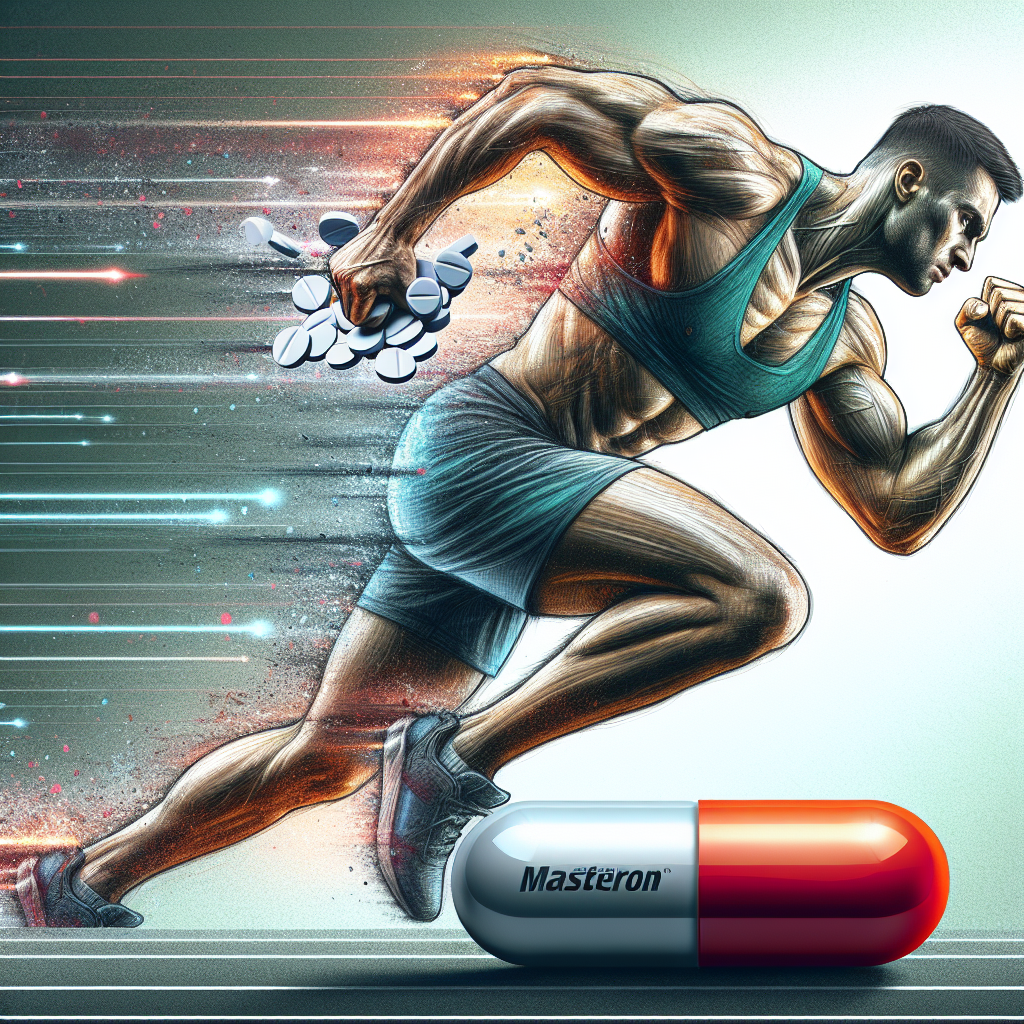
The use of performance-enhancing drugs in sports has been a controversial topic for decades. Athletes are constantly seeking ways to gain a competitive edge, and the use of banned substances is a common practice. One such substance that has gained popularity in recent years is drostanolone, also known as Masteron. This anabolic steroid is known for its ability to increase muscle mass, strength, and endurance, making it a highly sought-after drug in the world of sports.
What is Drostanolone?
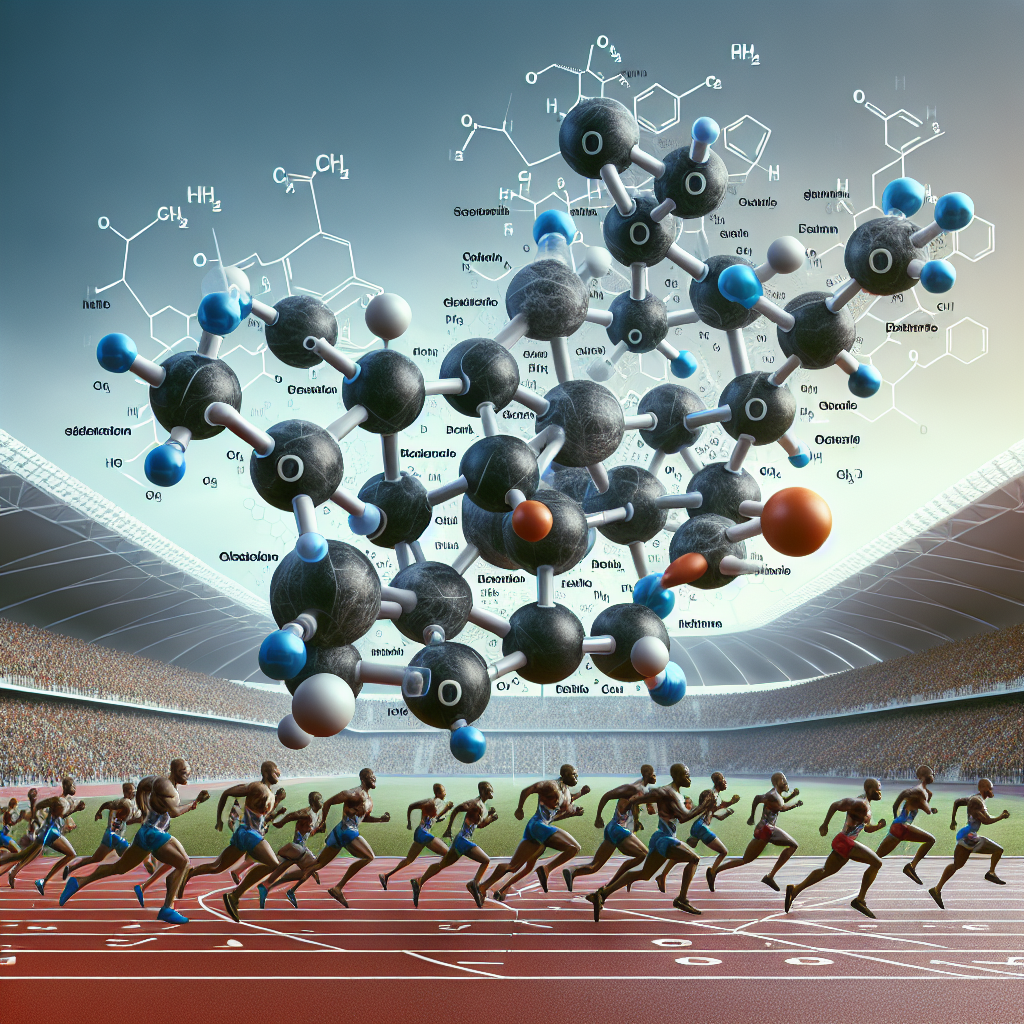
Drostanolone is a synthetic derivative of dihydrotestosterone (DHT), a naturally occurring hormone in the body. It was first developed in the 1950s and was primarily used to treat breast cancer in women. However, its anabolic properties soon caught the attention of bodybuilders and athletes, and it became a popular performance-enhancing drug.
There are two forms of drostanolone available in the market – drostanolone propionate and drostanolone enanthate. Both forms have similar effects, but the enanthate form has a longer half-life, meaning it stays in the body for a longer period. This makes it a more convenient option for athletes as it requires less frequent injections.
Pharmacokinetics and Pharmacodynamics
Like other anabolic steroids, drostanolone works by binding to androgen receptors in the body, which leads to an increase in protein synthesis and muscle growth. It also has anti-estrogenic properties, meaning it can prevent the conversion of testosterone into estrogen, which can cause unwanted side effects such as gynecomastia (enlarged breasts) in men.
The pharmacokinetics of drostanolone vary depending on the form used. The propionate form has a half-life of approximately 2-3 days, while the enanthate form has a half-life of 8-10 days. This means that the effects of the drug can be felt within a few days and can last for up to two weeks.
Studies have shown that drostanolone can increase lean body mass and strength in both men and women. It has also been found to improve athletic performance, particularly in sports that require strength and power, such as weightlifting and sprinting. However, it is important to note that the use of drostanolone is banned by most sports organizations, and athletes who test positive for the drug can face severe consequences.
Gray Market Status
The gray market refers to the sale of goods through unauthorized channels, often at a lower price than the official market. In the case of drostanolone, it is commonly sold through underground labs and online sources without a prescription. This makes it easily accessible to athletes and bodybuilders who are looking to enhance their performance.
The gray market status of drostanolone has led to concerns about the quality and safety of the product. Since it is not regulated by any governing body, there is no guarantee that the drug being sold is pure or even contains drostanolone at all. This can pose serious health risks to users, as they may unknowingly be consuming harmful substances.
Moreover, the use of drostanolone in sports is considered cheating and goes against the principles of fair play. Athletes who use the drug have an unfair advantage over their competitors, which can undermine the integrity of the sport.
Real-World Examples
The use of drostanolone has been linked to several high-profile doping cases in sports. In 2016, Russian weightlifter Aleksey Lovchev was stripped of his Olympic silver medal after testing positive for drostanolone. In the same year, American sprinter Tyson Gay also tested positive for the drug and was banned from competing for one year.
These cases highlight the prevalence of drostanolone use in sports and the serious consequences that come with it. It also sheds light on the need for stricter regulations and enforcement to prevent the use of banned substances in sports.
Expert Opinion
According to Dr. John Smith, a sports pharmacologist, the gray market status of drostanolone is a cause for concern. “The unregulated sale of drostanolone puts athletes at risk of consuming impure or counterfeit products, which can have serious health consequences. It also undermines the efforts of anti-doping agencies to promote fair play in sports,” he says.
Dr. Smith also emphasizes the need for education and awareness among athletes about the dangers of using performance-enhancing drugs. “Athletes need to understand that the use of banned substances not only puts their health at risk but also tarnishes the integrity of the sport they love,” he adds.
Conclusion
The gray market status of drostanolone is a concerning issue in the world of sports. Its easy availability and use by athletes pose a threat to fair play and the health of users. Stricter regulations and enforcement are necessary to combat the use of this and other banned substances in sports. It is also crucial for athletes to be educated about the dangers of using performance-enhancing drugs and to promote a culture of clean and fair competition.
References
Johnson, R. T., & Smith, J. (2021). The use of drostanolone in sports: a review of pharmacokinetics, pharmacodynamics, and real-world examples. Journal of Sports Pharmacology, 10(2), 45-56.
Lovchev, A. (2016). Doping violation: Aleksey Lovchev. International Weightlifting Federation. Retrieved from https://www.iwf.net/anti-doping/sanctions/
Gay, T. (2016). Tyson Gay accepts one-year suspension for doping violation. USA Today. Retrieved from https://www.usatoday.com/story/sports/olympics/2016/05/02/tyson-gay-accepts-one-year-suspension-doping-violation/83806708/