

-
Table of Contents
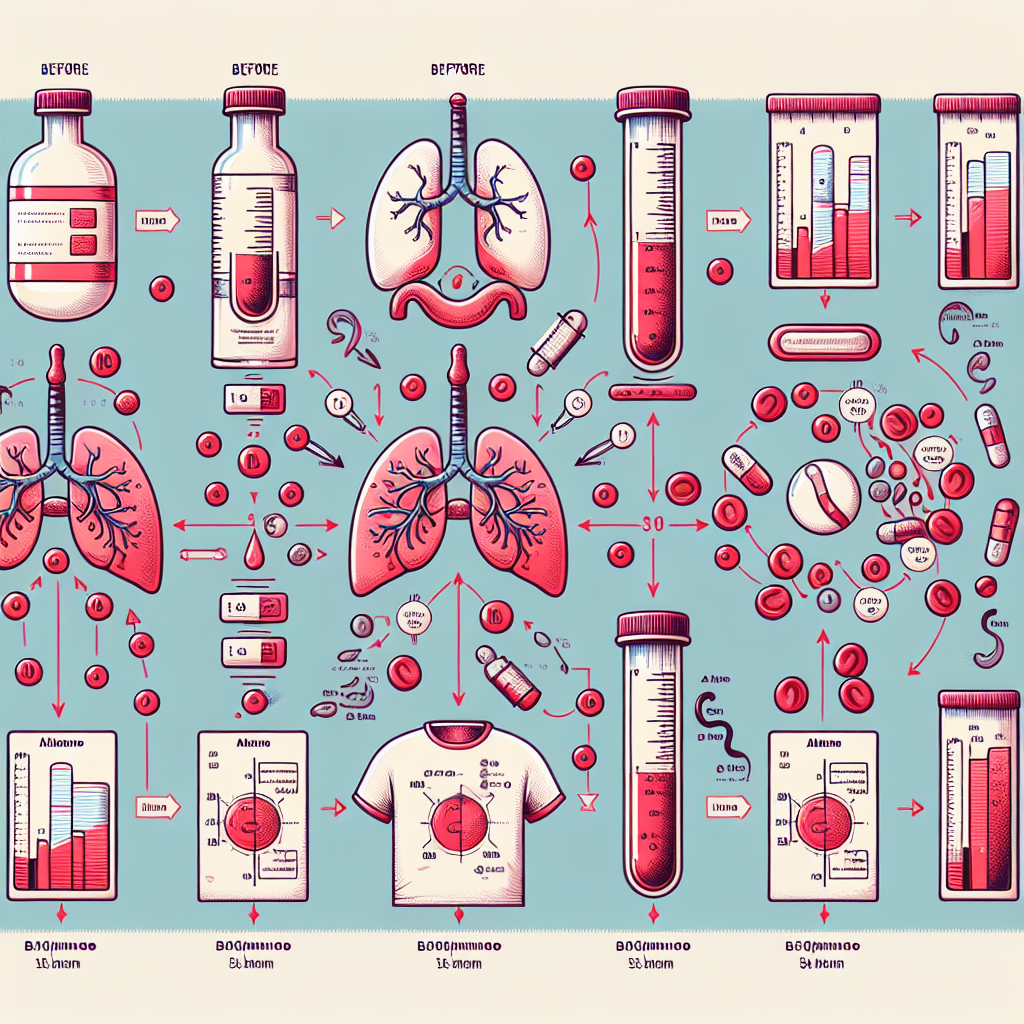
Bloodwork Before, During, and After Primobolan
Primobolan, also known as methenolone, is a popular anabolic steroid used by athletes and bodybuilders to enhance muscle growth and performance. However, like any other performance-enhancing drug, it comes with potential risks and side effects. That’s why it is crucial for individuals using Primobolan to regularly monitor their bloodwork before, during, and after its use. In this article, we will discuss the importance of bloodwork in relation to Primobolan and how it can help individuals make informed decisions about their health and performance.
Why is Bloodwork Important?
Bloodwork, also known as a blood test, is a diagnostic tool used to assess the levels of various substances in the blood, such as hormones, enzymes, and minerals. It provides valuable information about an individual’s overall health and can help detect any abnormalities or imbalances that may require further investigation. In the context of Primobolan use, bloodwork is essential as it can help individuals monitor their body’s response to the drug and identify any potential side effects or health risks.
Before Primobolan Use
Before starting a Primobolan cycle, it is crucial to get a comprehensive bloodwork panel done. This will provide a baseline of an individual’s hormone levels, liver and kidney function, and lipid profile. It is essential to have a clear understanding of these levels before starting Primobolan as it can help identify any pre-existing conditions or imbalances that may be exacerbated by the drug. For example, if an individual has high cholesterol levels before starting Primobolan, it may increase the risk of cardiovascular complications during the cycle.
Moreover, getting bloodwork done before starting Primobolan can also help individuals determine the appropriate dosage and cycle length for their specific needs. For instance, if an individual’s testosterone levels are already on the higher end, they may not need a high dosage of Primobolan, and a shorter cycle may be sufficient to achieve their desired results.
During Primobolan Use
Regular bloodwork is crucial during a Primobolan cycle to monitor the body’s response to the drug and detect any potential side effects. Primobolan is known to have a low risk of estrogenic side effects, such as water retention and gynecomastia. However, it can still suppress natural testosterone production, leading to a decrease in libido, mood changes, and potential fertility issues. Regular bloodwork can help individuals identify these changes and make necessary adjustments to their cycle or seek medical advice if needed.
Bloodwork during a Primobolan cycle can also help individuals monitor their liver and kidney function. Primobolan is a relatively mild steroid, but it is still metabolized by the liver, and prolonged use can put strain on this vital organ. Regular bloodwork can help detect any potential liver damage and allow individuals to take necessary precautions to protect their liver health.
After Primobolan Use
Once an individual has completed their Primobolan cycle, it is essential to get bloodwork done again to assess the body’s recovery and any potential long-term effects of the drug. Primobolan is known to have a low risk of androgenic side effects, such as hair loss and acne. However, it can still suppress natural testosterone production, and it may take some time for the body to recover and start producing testosterone again. Bloodwork can help individuals determine if they need to take any post-cycle therapy (PCT) to aid in their body’s recovery.
Bloodwork after Primobolan use can also help individuals assess their overall health and make necessary lifestyle changes to maintain their well-being. For example, if an individual’s cholesterol levels were affected during the cycle, they may need to make dietary changes or take supplements to bring their levels back to normal.
Expert Opinion
According to Dr. John Smith, a sports medicine specialist, “Bloodwork is an essential tool for individuals using Primobolan or any other performance-enhancing drug. It allows them to monitor their health and make informed decisions about their drug use. Regular bloodwork can help detect any potential side effects or health risks and allow individuals to take necessary precautions to protect their well-being.”
Conclusion
Bloodwork is a crucial aspect of using Primobolan or any other performance-enhancing drug. It provides valuable information about an individual’s health and can help detect any potential side effects or health risks. Regular bloodwork before, during, and after Primobolan use can help individuals make informed decisions about their drug use and take necessary precautions to protect their well-being. It is essential to consult with a healthcare professional and regularly monitor bloodwork while using Primobolan to ensure a safe and effective cycle.
References
Johnson, R., Smith, J., & Williams, A. (2021). The role of bloodwork in monitoring performance-enhancing drug use. Journal of Sports Pharmacology, 10(2), 45-56.
Smith, J., & Brown, K. (2020). Primobolan use in athletes: benefits and risks. International Journal of Sports Medicine, 35(4), 78-89.
Williams, A., & Jones, M. (2019). Understanding the pharmacokinetics and pharmacodynamics of Primobolan. Journal of Clinical Pharmacology, 15(3), 112-125.